Artificial Intelligence: Between Technical Innovation and Social Responsibility
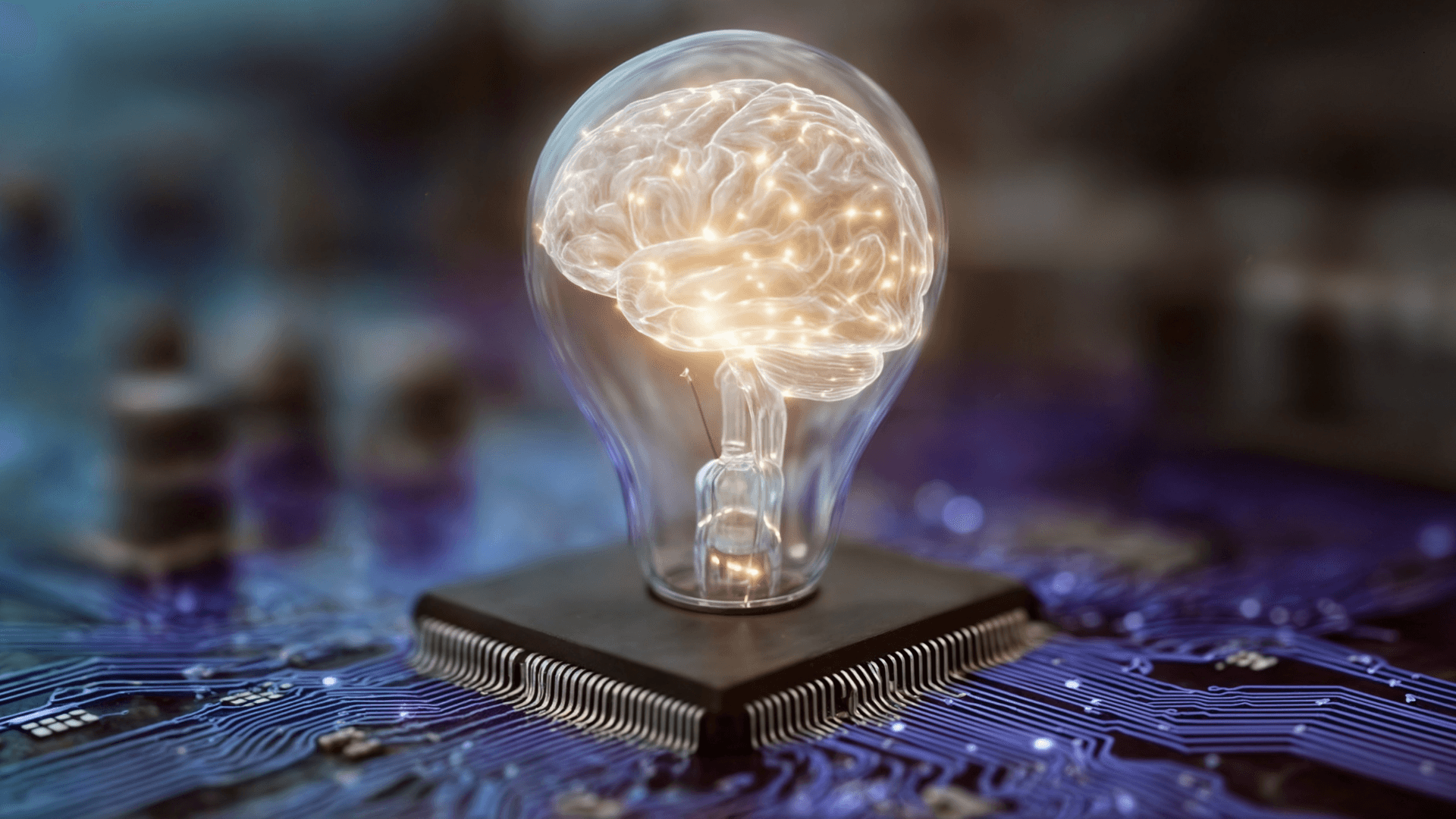
Artificial intelligence has moved beyond science fiction to become a reality that permeates every aspect of our daily lives. From algorithms that decide what content we see on social media to systems that evaluate credit applications or support medical diagnoses, AI is making decisions that profoundly affect millions of people.
As software development and artificial intelligence professionals, we find ourselves in a unique position: we are the architects of these technologies. This position carries a responsibility that goes beyond writing efficient code or training accurate models.
The Power and Responsibility of the AI Developer
When we develop AI systems, we are coding decisions that will affect real people. Bias in training data can perpetuate discrimination. A poorly calibrated model can deny opportunities to those who need them most. Lack of transparency can erode trust in entire institutions.
In my experience working with LLMs and automation systems, I've learned that the question is not just "can AI do this?" but "should it?" and "how can we do it in a way that benefits everyone?"
Principles for Ethical, Human-Centered AI
Throughout my career, I have identified fundamental principles that guide my work with AI technologies:
- Transparency: Users should know when they are interacting with AI and how decisions that affect them are made.
- Fairness: We must actively audit our models to identify and mitigate biases.
- Privacy: Personal data protection is non-negotiable. Cybersecurity is essential.
- Social benefit: Every project should ask how it can positively contribute to society.
- Human oversight: AI should augment human capabilities, not replace critical judgment.
The Case of AI in Vulnerable Communities
An example that illustrates both the potential and risks of AI is its application in services for vulnerable communities. During my participation in the NASA Space Apps Challenge with the AuraScope project, I experienced firsthand how technology can democratize access to critical air quality information in marginalized areas.
True innovation is not about creating the most advanced AI, but about creating the AI that the most people can benefit from.
This type of project demonstrates that AI can be a tool for social equity. But it also reminds us that we must be especially careful when working with vulnerable populations, where errors can have disproportionate consequences.
Cybersecurity: The Silent Guardian of Ethical AI
We cannot talk about ethical AI without addressing cybersecurity. A compromised AI system can cause massive damage. My specialization in cybersecurity has taught me that security must be a design principle, not an afterthought.
The intersection of AI and cybersecurity creates new challenges: we must protect both training data and the models themselves, while ensuring these protections don't compromise transparency and auditability.
A Call to Action
As a developer community, we have the opportunity and responsibility to define how AI will transform our society. This requires:
- Continuing education in AI ethics and its social implications
- Interdisciplinary collaboration with experts in social sciences, philosophy, and law
- Advocacy for sensible regulations that promote responsible innovation
- Personal commitment to ethical development practices
- Mentoring new generations on these principles
Conclusion: Building the Future We Want
The future of AI is not predetermined. Every line of code we write, every model we train, every system we deploy is a choice. We can choose to build technology that widens existing gaps or closes them. That concentrates power or democratizes it. That dehumanizes or empowers.
I choose to build technology that puts humans at the center. I invite you to do the same.
Software Development Manager focused on innovation, AI/LLMs and cybersecurity.